
"Were You Born in a Barn? "
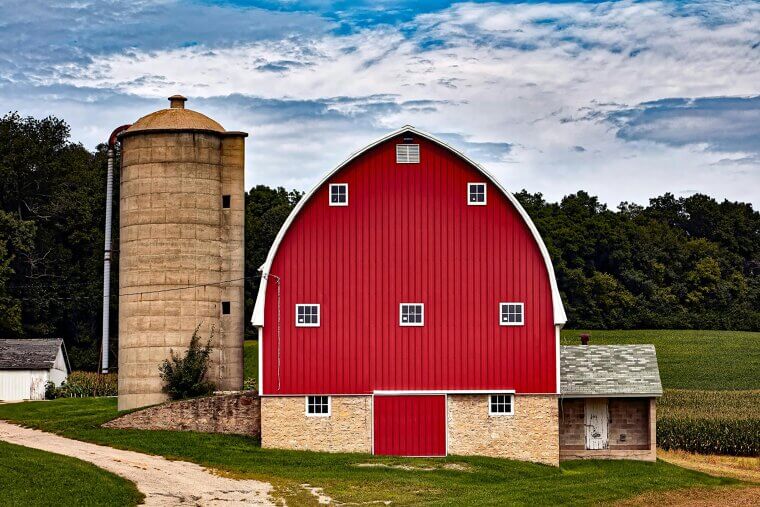
This rhetorical jab is a classic across both regions, serving as an immediate demand to close a door and stop letting the expensive air-conditioned (or heated) air out. Rooted in the rural history of the Heartland, the phrase questions a child’s lack of domestic refinement by comparing their behavior to that of livestock. It is the first lesson in the curriculum of "Household Economics 101."

By implying that only an animal would be so careless with a threshold, Mom effectively instills a lifelong habit of checking the latch and respecting the utility bill in one breath.
"Bless Your Heart. "
This phrase is the ultimate linguistic Swiss Army knife of the South, capable of expressing genuine empathy or delivering a devastating social execution depending entirely on the tilt of the head. While it sounds like a prayer, it is often a polite way of suggesting someone is remarkably dim or hopelessly misguided. It serves as a cultural "get out of jail free" card, allowing a mother to say something truly savage about a neighbor or a relative.

But do so while maintaining her status as a lady. It is the velvet glove over the iron fist of regional social etiquette.
"I’m Just Gonna Sneak Right Past Ya. "
In the Midwest, this phrase is the essential verbal dance accompanying the "ope!" transition. It is a humble apology for the audacity of existing in the same physical space as another human being, typically uttered in a crowded grocery store aisle or a narrow church hallway. Rooted in a deep-seated cultural desire to avoid conflict at all costs, it signals that the speaker is a "nice person" who doesn't want to be a bother.

It is the polite Canadian influence filtering down, turned into a rhythmic social mantra that ensures everyone stays comfortable and moving.
"Fixin' to... "
To be "fixin' to" do something is to exist in a specific, sacred state of preparation that lies somewhere between thinking about a task and actually performing it. In the South, this isn't just a synonym for "about to"; it implies an internal organization of spirit. Whether Mom is fixin' to go to the store or fixin' to lose her temper, the timeline is entirely up to her discretion.

It acts as a linguistic buffer against a world that moves too fast, asserting that the task will be handled once the proper mental groundwork has been laid.
"If You Don't Quit That, I’ll Give You Something to Cry About. "
This cornerstone of regional parenting is less of a threat and more of a masterclass in immediate emotional regulation. When a child’s reasons for weeping—such as a dropped popsicle or a sibling’s breathing—are deemed insufficient by the maternal tribunal, this phrase serves as a reality check. It is rooted in a "tough love" philosophy that suggests life holds much greater hardships than the current drama.

It is remarkably effective at drying tears instantly, usually by replacing a minor tantrum with the sheer, existential confusion of wondering what that "something" might actually be.
"He’s Just 'a Little Different'. "
In tight-knit communities where everyone knows your business, this phrase is a protective layer of grace. It is the polite way to acknowledge that someone is eccentric, wild, or socially awkward without being labeled as "mean" or a gossip. By calling someone "different" or "quite a character," Mom is providing a social cushion that keeps the peace. It is the Midwestern and Southern way of acknowledging a person’s quirks.

But it still keeps the porch light on for them, ensuring that even the most unusual neighbors are still considered part of the communal fold.
"Lord Willin' and the Creek Don't Rise. "
This humble acknowledgment of the universe's unpredictability dates back to the late 1700s and remains a staple for the practical matriarch. It signifies that all future plans—from a graduation party to a Sunday roast—are subject to change based on divine intervention or flash flooding. It reveals the grounded realism of a woman who has seen enough seasons to know that nature and Providence have the final say.
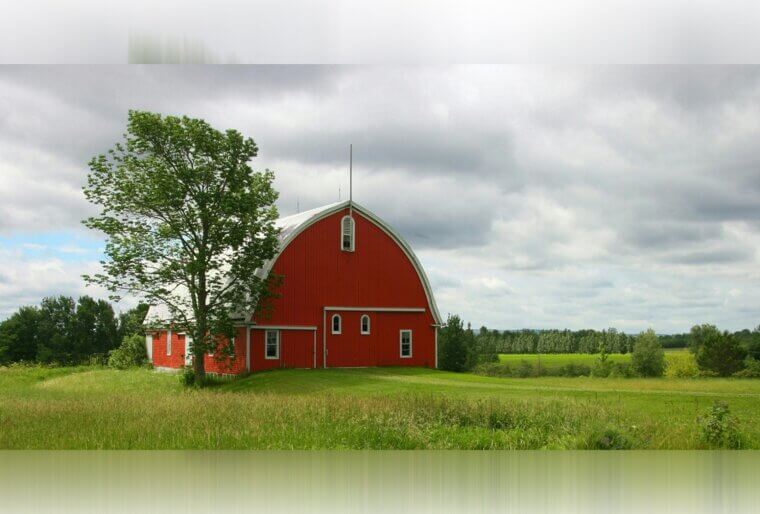
When Mom says this, she is promising her best effort while wisely admitting that she isn't the one who ultimately controls the weather or the river.
"Ope! "
This is the involuntary soundtrack of the Midwest, a high-frequency syllable that acts as the universal lubricant for social friction. It is the sound made when bumping into a mannequin, nearly dropping a hot dish, or realizing you’ve taken the wrong exit. Rooted in an almost pathological need to be polite, "Ope" is a preemptive apology that acknowledges a mistake before anyone else has the chance to be offended.

It is the linguistic equivalent of a quick, awkward smile and a shrug, signaling to everyone within earshot that you are a "good person" who didn't mean any harm.
"I’ll Tell You What. "
When a Southern mom starts a sentence with this, she isn’t just offering information; she is laying down a definitive, unarguable truth. It is the verbal gavel that signals the end of a debate and the beginning of a mandate. Whether she’s talking about the quality of a local peach harvest or the character of a neighbor, this phrase demands your full attention and immediate agreement.

It carries the weight of generational wisdom and the absolute certainty of a woman who has seen it all and is now ready to summarize the situation for your benefit.
"Dontcha Know? "
Tacked onto the end of a sentence like a friendly conversational anchor, this Midwestern staple is less of a question and more of a rhythmic affirmation of community. It serves to ensure that the listener is on the same page, creating a cozy sense of shared understanding over coffee or a backyard fence. Historically linked to the Scandinavian and German settlers of the North, it transforms a simple statement into an invitation for connection.

It’s the verbal way of wrapping a warm wool blanket around a conversation, making sure nobody feels left out of the loop.
"I Don’t Believe I’ve Ever Seen the Likes. "
This is the phrase Mom uses when she encounters something so baffling, scandalous, or poorly executed that it defies her existing moral and social categories. It is the ultimate expression of shock masked as observational curiosity. Whether it’s a neighbor’s avant-garde landscaping or a child’s creative interpretation of a "clean room," this phrase places the offending object in a category of one.

It suggests that in all her years of living and observing, she has finally found the limit of what is reasonable, leaving the subject in a state of quiet, judged isolation.
"Jeet yet? "
This Midwestern contraction of "Did you eat yet?" is the primary way love is expressed in the Great Lakes region. It isn't a casual inquiry; it is a tactical assessment of whether or not Mom needs to start frying something immediately. To answer "no" is to trigger a flurry of activity involving Tupperware, leftovers, and probably a side of bread and butter. It is rooted in a culture where food is the universal currency of care.

If you haven't eaten, you aren't safe, and Mom won't rest until you've had at least two helpings of whatever is in the crockpot.
"You’re Acting Like You Don't Have a Lick of Sense. "
This is the verbal equivalent of a cold bucket of water to the face. When a child (or a husband) does something particularly foolish, Mom uses this phrase to question their basic cognitive functions and upbringing. It implies that while you were raised with the necessary tools for survival, you have momentarily abandoned them in favor of sheer idiocy. It is a call to return to the common-sense values of the family.

It’s particularly effective because "sense" is the highest form of currency in both regions, and lacking even a "lick" of it is a dire insult.
"It’s a Bit Nippy Out. "
In the Midwest, this is the standard description for any temperature between thirty degrees and fifteen below zero. It is a masterpiece of understatement designed to show that the speaker is not intimidated by the elements. While a person from a warmer climate might call it "dangerously cold," Mom calls it "nippy" to signal that all you need is a slightly thicker sweatshirt or a windbreaker.

It is a badge of regional pride, suggesting that the inhabitants of the North are made of steriner stuff and that a little frostbite never hurt anyone who had a warm car to get into.
"Could Be Worse. "
The unofficial motto of the Midwest, this phrase is the ultimate defense mechanism against both minor inconveniences and total catastrophes. It is a linguistic shrug that acknowledges a blizzard, a broken tractor, or a burnt roast with stoic grace. By refusing to complain, Mom is upholding the regional value of resilience and humility. It is a reminder that as long as the roof is holding and there’s milk in the fridge, things are technically manageable.

It is the verbal embodiment of "keeping your chin up" while your boots are stuck in two feet of mud.
"Hush Your Mouth! "
Contrary to its literal meaning, this Southern command is rarely about silence; it is more often an expression of shocked delight or disbelief. When told a piece of juicy gossip or a surprising fact, Mom will deploy this phrase with a playful swat of the air. It signals that the information provided is so scandalous or exciting that it has momentarily overwhelmed her senses.

It’s a way of participating in the drama while maintaining a veneer of propriety, encouraging the speaker to actually tell her more while she pretends to be scandalized by the details.
"Goodness Gracious! "
The all-purpose, G-rated exclamation for when the world becomes a bit too much to handle. This phrase covers everything from a stubbed toe to a surprise visitor or a sudden thunderstorm. Because taking the Lord’s name in vain is a high-level offense in a traditional household, "Goodness gracious" provides the necessary emotional release without the spiritual baggage. It’s a versatile tool that allows Mom to express frustration, surprise, or joy.

And do so while keeping her vocabulary clean enough for Sunday School. It is the sound of a woman who is startled but still keeping her dignity intact.
"That’s Different. "
In the Midwest, this is the most polite way possible to say that something is absolutely hideous, tastes terrible, or is deeply confusing. If Mom tries a new recipe and calls it "different," do not expect to see it on the table ever again. It is a way of acknowledging that effort was made without having to lie about the successful result. It serves as a social safety net, allowing the speaker to avoid being rude while still signaling their disapproval.
If you hear this phrase, take it as a cue to change the subject immediately and never bring it up again.
"Quit Your Bellyaching. "
Whether you’re complaining about a long car ride, the heat, or the chores, this phrase is the standard maternal response to whining. It originates from the idea that complaining is a physical ailment of the stomach that can only be cured by a change in attitude. It’s a direct order to toughen up and find some internal fortitude. In Mom’s world, there is no room for "bellyaching" because there is always work to be done and someone else who has it worse.

It’s a short, sharp reminder that your discomfort is noted, but entirely irrelevant to the task at hand.
"You Look Like You’ve Been Pulled Through a Knot-Hole Backwards. "
This vivid Southern imagery is used to describe someone who looks exhausted, disheveled, or generally "rough around the edges." It implies that life has treated you like a piece of rope being forced through a tiny opening against the grain. Usually delivered when a child comes home from a long day of playing or a teenager crawls out of bed at noon, it’s Mom’s way of telling you to go look in a mirror and do something about your hair.

It’s a critique of your physical state wrapped in a colorful, folksy metaphor that is impossible to argue with.
"You’re Cruising for a Bruising. "
A classic rhyming threat that has echoed through the hallways of Southern and Midwestern homes for decades. It implies that your current trajectory of behavior—usually involving backtalk or pestering a sibling—is leading directly to a physical confrontation with a wooden spoon or a firm hand. It’s a rhythmic, almost musical warning that gives the child one last chance to course-correct before the "bruising" (which is usually more metaphorical than literal these days) commences.

It’s a masterpiece of parental foreshadowing, delivered with a stern look and a pointed finger.
"I’m Just Resting My Eyes. "
The universal lie of the Midwestern mom on a Sunday afternoon. While slumped on the recliner with her head back and a light snore escaping her lips, she will insist that she is fully awake and merely "resting" her eyelids. This phrase allows her to claim she hasn't succumbed to the "laziness" of a nap, even though she has clearly missed the last three innings of the game. It is a defense of her productivity.
If she’s just resting her eyes, she’s still technically "on duty" and ready to spring into action should a casserole require her immediate attention.
"Come Sit a Spell. "
In the South, this is the highest form of hospitality. It is an invitation to put down your worries, ignore the clock, and engage in the sacred art of conversation. "A spell" is an indeterminate amount of time that can last fifteen minutes or three hours, depending on the quality of the tea and the depth of the gossip. It reflects a culture where people are always more important than schedules.

When Mom asks you to sit a spell, she is offering you her undivided attention and a safe place to land, usually accompanied by a rocking chair and a cool breeze.
"I’ve Got a Bone to Pick With You. "
When Mom says this, you are officially under investigation. It means she has discovered a discrepancy—perhaps a hidden bad grade, a broken vase, or a lie told three days ago—and she is ready to conduct a formal inquiry. The "bone" represents the issue at hand, and "picking" it means she’s going to strip away all your excuses until the bare truth is revealed. It is a terrifying phrase because it implies she has been sitting on this information.

She's been waiting for the perfect moment to confront you. There is no escaping the "bone-picking" process once it has begun.
"I’m Just Gonna Grab a Little Sliver of That. "
This is the Midwestern lie told at every potluck, holiday dinner, and birthday party. When confronted with a cake or a pie, Mom will refuse a full slice, insisting instead on a "sliver" that is roughly the width of a credit card. Of course, she will return for four or five more slivers over the course of the evening, eventually consuming two full pieces of dessert. This linguistic trick allows her to enjoy the treats while maintaining the appearance of modest self-restraint.

It is a ritualistic performance of "niceness" and dietary discipline that everyone sees through but nobody calls out.
"Make a Long Story Short... "
This phrase is almost always used as a transition in the middle of a story that has already been going on for twenty minutes and shows no signs of ending. It is a rhetorical device that allows Mom to acknowledge she’s being long-winded without actually editing any of the upcoming details. In reality, "making a long story short" usually results in a story that is twice as long because she now feels the need to summarize everything she just said before adding three new sub-plots.

It’s a signal that we’ve reached the "midpoint" of the anecdote, so get comfortable.
"Don't You Take That Tone With Me. "
This is a high-level warning that the boundaries of maternal respect have been breached. It doesn't matter what words you actually said; it’s the "frequency" or the "edge" in your voice that has triggered the alarm. To Mom, the "tone" is a window into your soul, revealing a hidden reservoir of sass or rebellion that must be neutralized immediately. It is a reminder that she is the commander-in-chief of the household.

And that your vocal cords belong to her jurisdiction. To continue with "that tone" is to invite a swift and certain disciplinary response.
"Whatever Floats Your Boat. "
The ultimate expression of Midwestern passive-aggression, this phrase is used when Mom fundamentally disagrees with your choice but has decided she no longer has the energy to fight you on it. It’s a way of washing her hands of the situation while subtly implying that your "boat" is likely headed for a waterfall. Whether it’s a questionable fashion choice or a risky career move, this phrase gives you the green light to proceed.

But you should know that you’re doing so without her official seal of approval. It’s freedom, but it’s a very heavy kind of freedom.
"Might as Well. "
This is the phrase used to justify any decision that feels slightly indulgent or unnecessary but ultimately harmless. "Should we get the extra-large fries?" "Might as well." "Should we stop at the antique mall on the way home?" "Might as well." It is a verbal shrug that accepts the inevitable. In a culture that values practicality and saving money, "might as well" provides a tiny loophole for joy.

It suggests that since we’re already here and the opportunity has presented itself, it would almost be a waste of effort not to participate in the minor indulgence.
"That’ll Be the Day. "
The standard response to any request that Mom finds laughably unlikely or completely out of the question. Will she let you stay out past midnight? "That’ll be the day." Will she cook a separate meal because you don't like broccoli? "That’ll be the day." It is a phrase rooted in deep skepticism, suggesting that the event in question belongs in a parallel universe or a distant, impossible future.

It is a firm, final "no" wrapped in a layer of sarcasm, letting you know that your request has been heard, analyzed, and found to be utterly ridiculous.
"It’s Not for Me to Say, but... "
This is the ultimate preamble for a woman who is absolutely about to say it. It allows Mom to distance herself from the judgment she is about to deliver, positioning herself as a neutral observer rather than a gossip. By starting with this disclaimer, she feels she has fulfilled her moral obligation to be humble before launching into a detailed critique of the neighbor’s new car or the preacher’s daughter’s wedding dress.

It is a linguistic loophole that lets her keep her "nice" reputation while still getting her two cents in on the local drama.
"Well, That’s Just the Way the Cookie Crumbles. "
A classic Midwestern expression of fatalism. When things go wrong—the car won't start, the rain ruins the picnic, or the local bakery closes down—this phrase provides a way to accept the disappointment without throwing a fit. It acknowledges that life is messy and that things often fall apart in ways we can't control. It’s a lesson in resilience, teaching children that sometimes you just have to sweep up the crumbs and move on.

It’s a comforting, if slightly cliché, way of saying "it is what it is" with a touch of domestic flavor.
"You Better Watch Yourself. "
The final, ultimate warning. This is the phrase that preceded the "end of the line." It is usually delivered in a low, quiet voice that is far more terrifying than a shout. It means you have reached the absolute edge of Mom’s patience and one more move—even a heavy sigh or a rolled eye—will result in immediate consequences. It’s a call to self-awareness, asking you to evaluate your life choices.

And you better do it in the next three seconds if you want to see tomorrow. When you’re told to "watch yourself," the only correct response is total, motionless compliance.
"Bless Your Little Heart"
While "Bless your heart" is a weapon, adding the word "little" transforms it into a sincere expression of pity for something truly pathetic or adorable. This is reserved for puppies, toddlers who have just fallen over, or people who are so spectacularly incompetent that you can't even be mad at them anymore. It acknowledges a certain level of helplessness that deserves maternal protection. It is the linguistic equivalent of a pat on the head.
But it's delivered with a sigh that says, "You’re a mess, but you’re our mess, and we suppose we’ll have to look after you."